How to Wear Mythology Shirts With Purpose
A mythology shirt should not feel like a costume pulled from a souvenir rack. It should feel like a chosen emblem: a quiet reference to a story, virtue, civilization, or archetype that continues to hold weight. Learning how to wear mythology shirts begins there. The strongest outfit does not ask strangers to admire the graphic. It gives the symbol room to speak.
A Spartan helmet, Medusa, Odin’s ravens, the laurel, a Roman eagle, or an image of Athena can carry vastly different meanings. Wear one well, and it becomes part of a considered personal uniform. Wear it without context or balance, and even a meaningful design can become visual noise.
Start With the Story Behind the Symbol
Before choosing an outfit, know what is on your chest. Mythology is not a single aesthetic. Greek, Norse, Roman, Egyptian, Celtic, and Japanese traditions each contain their own histories, rituals, symbols, and internal tensions. A design inspired by Marcus Aurelius belongs to a different conversation than one depicting Thor, Anubis, or Achilles.
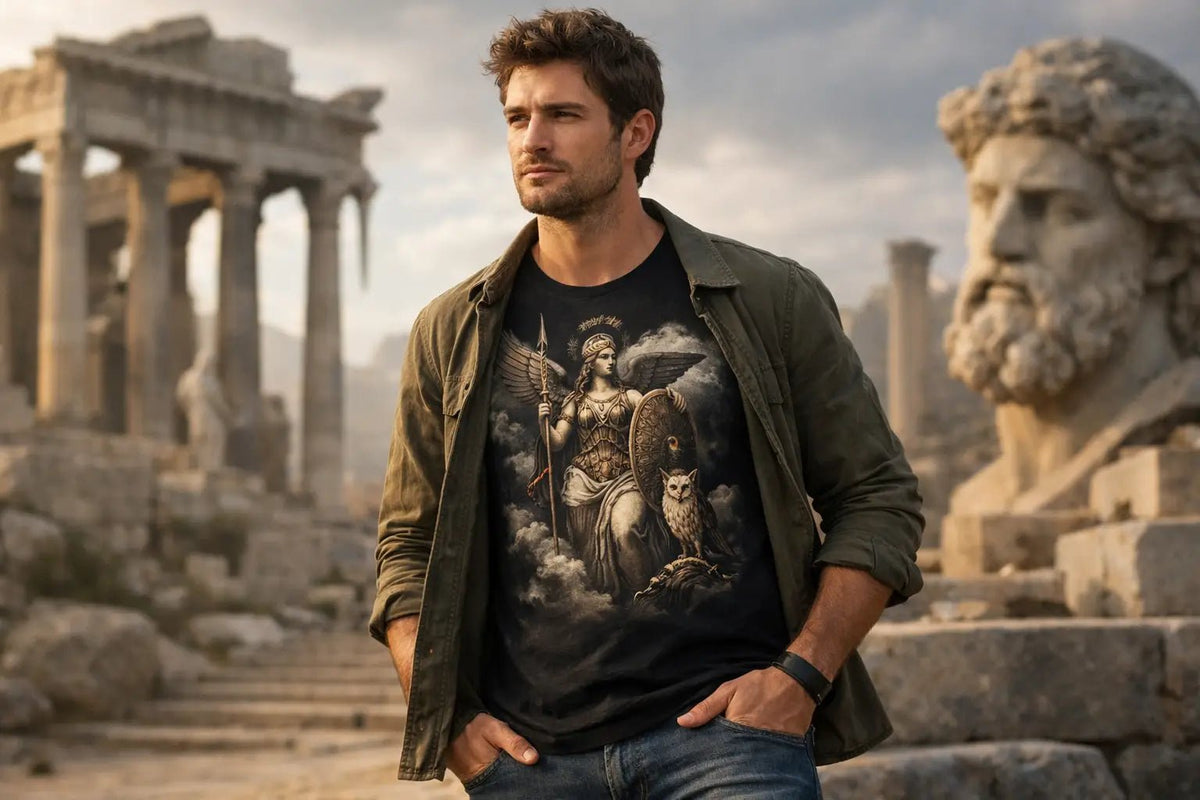
That does not mean you need a lecture prepared every time you leave the house. It means the shirt should represent more than a dramatic image. A Medusa design may speak to protection, power, and the complexity of being seen. An owl can suggest Athena’s wisdom and strategic judgment. A wolf may evoke loyalty, endurance, or the untamed edge of the self, depending on its cultural frame.
This awareness changes the way you wear the piece. Instead of treating mythology as an exotic pattern, you treat it as cultural storytelling. The result is more respectful and more compelling.
Let the Shirt Carry the Weight
A mythology shirt is usually the focal point of an outfit. Build around it accordingly. If the design is detailed, dark, or high-contrast, keep the rest of the look restrained: well-fitted black denim, washed charcoal pants, olive cargos, indigo jeans, or clean neutral shorts. The goal is not to make every garment compete for attention.
Think of the shirt as a standard carried into a modern setting. A dark graphic tee with a disciplined fit works naturally with straight-leg denim and leather boots. A muted sand or stone-colored shirt pairs well with black trousers, off-white canvas, and minimal sneakers. A heavyweight overshirt in black, olive, or tobacco can add structure without burying the design.
Color matters more than many people realize. Ancient imagery often gains force from earth tones, iron gray, deep navy, bone, faded black, burgundy, and forest green. These colors feel grounded rather than theatrical. Neon, loud all-over prints, and heavily distressed layers can work in specific streetwear contexts, but they often pull the outfit away from the timeless quality that mythology deserves.
Choose one visual language
A shirt featuring a classical bust, Greek key detail, or Stoic phrase works best with clean lines and understated texture. Think dark denim, tailored workwear, a chore jacket, or a simple wool overshirt. A Norse-inspired design can carry slightly more rugged weight through raw denim, waxed canvas, flannel, or sturdy boots.
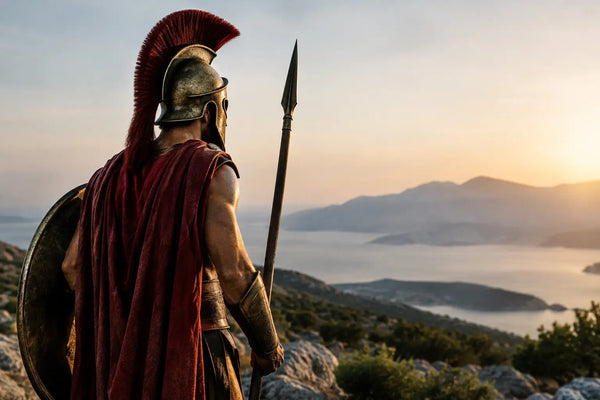
The point is not to imitate an ancient warrior. It is to translate the values associated with the image into contemporary dress: order, resilience, courage, restraint. One visual language is powerful. Several competing ones can feel like a costume department.
Fit Comes Before Symbolism
No symbol can rescue a shirt that fits poorly. The right fit gives a mythology design the presence of a deliberate object rather than an oversized afterthought.
For most people, a regular or slightly relaxed fit is the most versatile. The shoulder seam should sit close to the edge of your shoulder, the sleeves should not swallow your upper arm, and the hem should land around mid-fly. A heavier cotton shirt with a structured collar tends to look more substantial than a thin tee that twists after one wash.
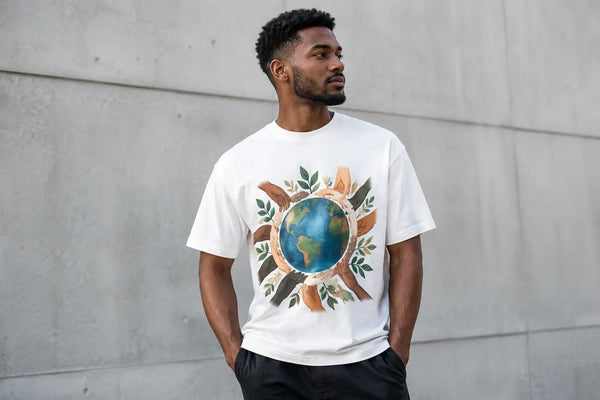
Oversized fits have their place, especially with bold back graphics or more modern, street-led artwork. If you choose one, create contrast below the waist. Pair the larger shirt with straight or tapered pants rather than equally oversized bottoms, unless you are intentionally working within a proportion-heavy streetwear silhouette. Balance is the discipline.
A fitted mythology shirt can also work under a jacket, but avoid sizing down merely to emphasize the body. The design should lie flat and remain readable. Strength does not require strain.
Wear Mythology Shirts Across Real Life
The best mythology shirts are not reserved for conventions, festivals, or the gym. Their purpose is to bring a little symbolic depth into ordinary settings.
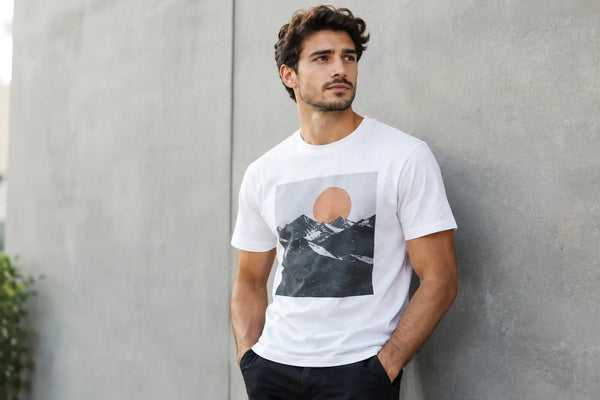
For a casual day, pair a restrained graphic tee with dark jeans, clean sneakers, and a watch with a simple metal or leather band. This is the easiest expression of the look: practical, composed, and personal. If the weather turns cool, add a bomber, overshirt, or field jacket in a solid color.
For training, choose a shirt with a message or symbol that genuinely sharpens your mindset, not one that turns the gym into a stage. A design referencing discipline, the Stoics, or a warrior archetype can serve as a private reminder to complete the work. Keep the rest functional. Training clothes should move, breathe, and endure.
For an evening setting, elevate the shirt with black jeans or dark trousers, a structured jacket, and clean boots. This works best when the graphic is refined rather than oversized or crowded with text. A tonal print, a classical illustration, or a single strong emblem has more range than a design that reads like a billboard.
It depends on the environment. A large depiction of a battle scene may be right for a concert, a casual gathering, or a creative workplace, but less fitting for a conservative dinner or formal event. Meaningful apparel is still apparel. Read the room.
Keep Accessories Intentional
Mythology shirts often invite the temptation to add every related object at once: rune rings, pendants, bracelets, chains, belts, and statement boots. Resist that impulse. Symbols gather power through restraint.
Choose one or two supporting details. A plain silver ring, a leather watch strap, a modest pendant, or a simple chain can work well. If the shirt already features a large graphic, your accessories should frame the look rather than repeat it. A shirt bearing Odin’s ravens does not require additional raven jewelry, a horned helmet reference, and a runic belt buckle.
The same principle applies to hats and outerwear. Let materials do some of the work. Leather, cotton twill, heavyweight fleece, wool, and canvas carry a sense of substance without adding more iconography.
Respect the Culture, Not Just the Aesthetic
Some symbols are widely used in contemporary design. Others are sacred, ceremonial, politically charged, or vulnerable to misuse. Before wearing a mythology shirt, especially one featuring runes, religious imagery, Indigenous traditions, or symbols from living spiritual practices, take a moment to understand its context.
This is not a demand for perfection. It is a call for judgment. Avoid designs that flatten a living tradition into decoration or borrow symbols that have been used to signal hate, supremacy, or exclusion. Be especially careful with Norse imagery, where certain historical symbols have been distorted by modern extremist groups. Context, presentation, and knowledge matter.
The most enduring relationship with mythology is not ownership. It is study. Read the stories. Learn the contradictions in the heroes. Notice that Achilles had courage but also rage, that Odysseus survived through intelligence as much as force, and that Athena represented strategy rather than brute domination. A shirt can open that door, but it should not close the conversation.
Build a Wardrobe of Symbols, Not Costumes
One mythology shirt can become a familiar signature. Three or four, chosen with different moods and levels of visual intensity, can create a useful rotation. Consider one minimal emblem tee, one more detailed illustration, one darker or more rugged design, and one piece built around a philosophical phrase or historical figure.
This gives you range without turning every outfit into the same statement. It also allows the ideas to remain fresh. A quiet laurel shirt might suit reflective days. A design centered on a warrior’s resolve may belong to hard training or difficult work. A classical image can bring gravity to an otherwise simple outfit.
The aim is not to look ancient. It is to wear a reminder of what has lasted. Put on the shirt that speaks to the task in front of you, then let your actions give the symbol its real meaning.