Statement Streetwear Shirts With Real Meaning
A shirt can announce a trend, a joke, or a passing allegiance. The best statement streetwear shirts do something harder: they make a principle visible. They carry an image, symbol, or line of thought that still feels relevant after the moment has passed. For men drawn to mythology, discipline, history, and self-mastery, that difference matters.
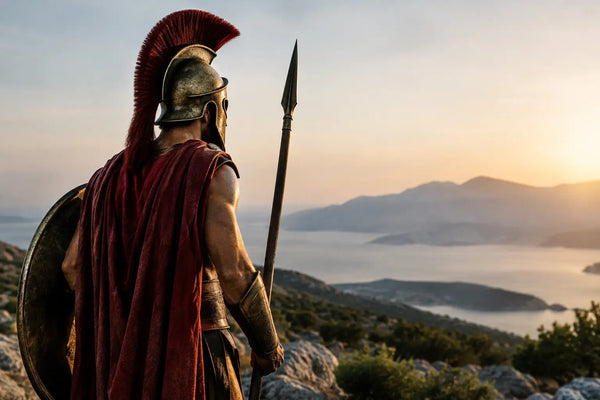
A meaningful graphic tee is not worn to demand attention from every room. It is worn because its idea belongs to the person wearing it. A Spartan helmet, a stoic maxim, the laurel, the wolf, the phoenix, or a figure from ancient myth can become more than decoration when the artwork has conviction behind it. The statement is not simply that you have seen the symbol. It is that you understand what it asks of you.
What Makes a Streetwear Shirt a Statement?
Statement apparel is often confused with loud apparel. Oversized type, aggressive color, and visual clutter can create an immediate reaction, but volume is not the same as presence. A design becomes a statement when it gives the wearer a clear point of view.
That point of view can be personal: endure hardship, act with courage, remain disciplined, remember mortality, build strength. It can also be cultural or historical: honor an archetype, revisit a myth, or wear a symbol that has survived because generations found meaning in it. The strongest designs leave room for the wearer’s own interpretation while retaining a definite core.
This is why ancient imagery works so well in modern streetwear. Mythology was never merely ornamental. Athena represented strategic intelligence. Hercules represented labor, suffering, and earned strength. The phoenix became a symbol of renewal after destruction. These ideas have enough weight to outlast a seasonal graphic treatment.
Meaning Before Volume in Statement Streetwear Shirts
The first question to ask is simple: what does the design stand for when the shirt is off your body? If the answer is only that it looks intense, it may not hold your attention for long. If it refers to an idea you return to in training, work, study, or difficult seasons, it has a better chance of becoming part of your regular rotation.
Symbols are powerful because they condense a larger story into a single image. The Roman eagle can suggest authority and ambition, but also the burden of command. A skull can be an empty sign of rebellion, or a memento mori: a reminder that life is finite and therefore should be used well. Context, artwork, and restraint determine which reading comes through.
Text can carry the same force, though it demands more discipline from the designer. A familiar quote in generic type can feel disposable. A considered phrase, paired with original illustration and given room to breathe, can feel like a private standard made visible. The goal is not to wear motivation across your chest. It is to wear a reminder that has earned its place there.
Choose the Symbol You Can Stand Behind
A good graphic shirt is an act of selection. Before buying, look beyond the central image and consider the tradition behind it. Does the symbol have a real connection to courage, resilience, wisdom, or discipline? Is the reference handled with care, or reduced to a costume version of history?
Greek mythology offers a wide field, but it rewards precision. Medusa, for example, has become a common visual shorthand for danger and defiance. Yet her story is more complicated than a monster graphic. A design that acknowledges her power without flattening the myth has greater depth. The same is true of Stoic imagery. Marcus Aurelius is not a decorative bust for men who want to appear serious. His enduring appeal comes from the effort to govern himself amid pressure, grief, duty, and power.
You do not need a degree in classics to wear symbolic graphic tees. You do need enough curiosity to know what you are claiming. That small amount of knowledge changes the shirt from borrowed aesthetics into a genuine extension of your interests.
Let the Artwork Do Its Work
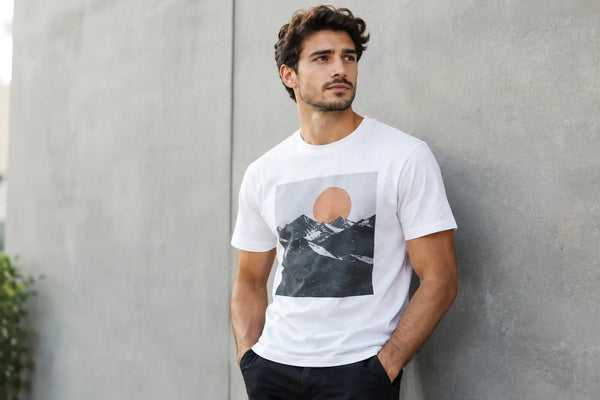
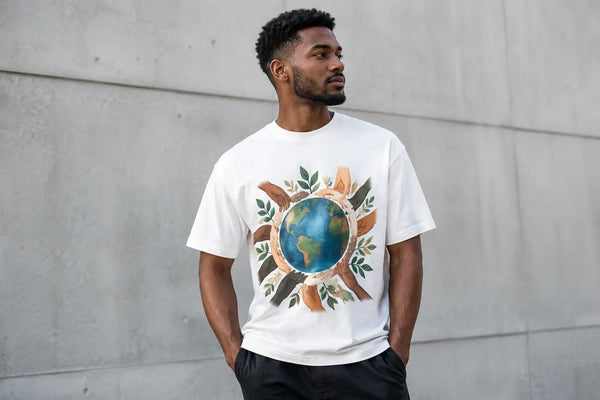
Strong artwork does not need to explain every detail at once. Look for composition that rewards a second glance: an ancient figure rendered with modern linework, a subtle inscription, a balanced use of negative space, or a symbol placed where it feels intentional rather than pasted on.
There is a trade-off. Highly detailed artwork can be striking, but it may be less versatile and may lose clarity from a distance. Minimal graphics are easier to wear, yet they can become generic if the underlying concept is weak. The right choice depends on how you dress and what role you want the shirt to play. A bold back print may suit a concert, gym session, or weekend gathering. A smaller chest emblem can carry the same philosophy into quieter settings.
Color deserves the same consideration. Black, washed charcoal, bone, deep olive, and muted earth tones often support historical and symbolic artwork because they let the design lead. Brighter colors are not wrong, but they ask more of the rest of the outfit. If the graphic is already carrying a myth, a message, and a strong silhouette, restraint usually gives it more authority.
Fit and Fabric Decide Whether You Wear It
A statement is wasted if the shirt stays in a drawer. Premium graphic T-shirts should feel substantial enough to hold their shape, with fabric that sits cleanly on the shoulders and does not twist after repeated washing. A graphic may catch your eye first, but comfort determines whether it becomes a staple.
Fit is not about following one universal rule. A boxier, relaxed cut gives larger artwork room and pairs naturally with straight-leg denim, utility pants, and substantial sneakers or boots. A more tailored fit can make a symbolic design feel sharper under an overshirt, bomber, or open jacket. Neither is automatically better. The key is proportion.
Avoid treating every graphic tee as gym wear or every meaningful shirt as something too precious to wear. The point is lived-in conviction. Pair a disciplined, monochrome design with dark denim and a clean jacket. Let a more expressive mythological print stand alone with simple pants. Give the design one focal point rather than competing with it through logos, loud accessories, and overly busy layers.
Build a Rotation, Not a Costume
One common mistake with warrior-inspired apparel is turning identity into uniform. A closet full of helmets, swords, and battle cries can make even good designs feel one-dimensional. A stronger approach is to build a rotation around different expressions of the same values.
One shirt might center on Stoic resolve. Another might use a classical statue or ancient inscription. A third can be quieter: a laurel branch, a compass, a wolf, or an abstract mark of endurance. Together, these pieces tell a more credible story than repeating the same visual signal.
Hilt & Stone approaches this territory through meaningful designs rooted in mythology, philosophy, and symbols that have endured. The most successful pieces in this category do not ask you to play a warrior. They acknowledge that modern discipline still requires courage, patience, and the ability to continue when no one is watching.
Wear the Idea, Not the Trend
Streetwear moves quickly. Symbols with centuries behind them do not. That does not mean every ancient reference is automatically timeless, nor that modern graphics lack value. It means the design should be judged by more than its current popularity.
Ask whether you would wear it a year from now, after the algorithm has moved on. Ask whether its message becomes stronger as the print fades and the fabric softens. The best shirts gain character through use because the idea behind them remains steady.
Choose statement streetwear that gives form to something you already value. A well-made shirt cannot build discipline for you, but it can become a small, daily reminder of the standard you intend to keep.